WE-T800 Multi-Function Field Monitor
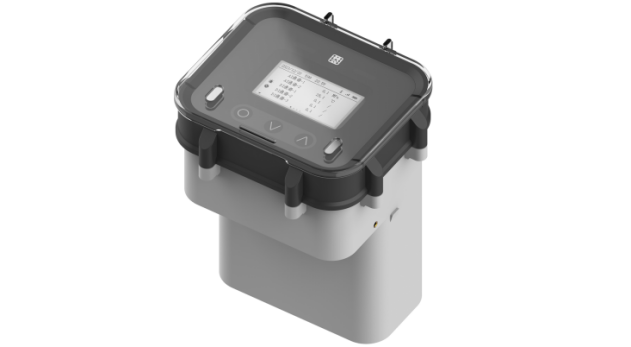
A sealed IP68 field unit for distributed monitoring: 4G backhaul, RS485 Modbus-RTU, two 4–20 mA analog channels, two digital inputs, and flexible power from internal Li-ion packs or 9–30 V DC (typ. 24 V). Built for water utilities, environmental sites, and industrial IoT where reliability matters.
English PDF datasheet. For revision-controlled OEM manuals (e.g. U-WES-T800-CN1, Feb 2026) including full wiring and commissioning, email us from Contact Information.
Key highlights
Engineering-focused capabilities called out in the product documentation.
4G & cloud-ready
LTE FDD/TDD bands supported; MQTT, HTTP, and WES cloud protocols; 3-year cellular data plan option (100 MB/month) per manual.
Field I/O
1× RS485 (4800–115200 bps, Modbus-RTU), 2× AI (4–20 mA), 2× DI (switch or pulse counting), 2× configurable DC outputs (3.6 / 5 / 12 V).
Rugged & readable
IP68 enclosure; 60×32 mm LCD with LED indicators and keypad for local readings and alarms.
Dual power
Internal Li-ion options (114000 mAh or 228000 mAh per datasheet) with automatic handover to 9–30 V DC external supply.
Mobile supervision
Bluetooth for local configuration; companion app for remote visibility (per OEM manual).
Configurable timing
Sampling and upload periods configurable from 10 s to 18 h to match battery life and network duty cycle.
Product gallery
Reference photos supplied with this repository under Asset/.
Specifications
Values below follow the OEM documentation. If this page and the PDF datasheet differ, treat the PDF datasheet as the published export summary and confirm critical figures with sales.
| Model | WE-T800 multi-function monitor / RTU-style field unit |
|---|---|
| Connectivity | 4G LTE; SMA female antenna; supports MQTT, HTTP, WES cloud; optional 3-year SIM traffic (100 MB/month) per manual |
| LTE bands (listed) | LTE FDD B1/3/5/8; LTE TDD B34/38/39/40/41 (full band set per manual) |
| Typical LTE throughput (manual) | LTE FDD 10.3 Mbps DL / 5.1 Mbps UL; LTE TDD 9.1 Mbps DL / 3.1 Mbps UL |
| RS485 | 1 port, 4800–115200 bps, Modbus-RTU |
| Analog inputs | 2× AI, 4–20 mA |
| Digital inputs | 2× DI — dry contact / pulse counting (per manual) |
| Sensor excitation | 2× DC output ports, 3.6 V / 5 V / 12 V selectable |
| Sampling / upload | Configurable 10 s – 18 h (each) |
| Power — battery | Internal Li-ion options: 114000 mAh or 228000 mAh (as stated in OEM documentation) |
| Power — external | 9–30 V DC (typical 24 V), combined with automatic battery/external changeover |
| Operating environment | Temperature −20 °C to +70 °C; humidity 5%–95% RH non-condensing |
| Storage temperature | −25 °C to +85 °C |
| Enclosure | Fully sealed design, IP68; housing material ABS/PC |
| Local UI | 60×32 mm LCD, status LEDs, keypad, Bluetooth for provisioning |
Typical applications
Use cases described in the OEM manual, translated for international audiences.
Water & environmental networks
Smart water and pipeline monitoring: consolidate analog, digital, and serial field devices that were previously isolated into a single 4G-capable uplink.
Energy & industrial IoT
Remote supervision for pumps, treatment skids, and distributed assets where Modbus-RTU sensors must be bridged to cloud SCADA or MQTT/HTTP endpoints.
Standard package
Standard configuration from the factory packing list (custom orders may differ).
| # | Item | Qty |
|---|---|---|
| 1 | Multi-function monitor (WE-T800) | 1 |
| 2 | Printed user manual | 1 |
| 3 | Cellular antenna | 1 |
| 4 | Certificate of conformity | 1 |
FAQ
Quick answers. Detailed wiring, safety, and commissioning procedures are supplied by the OEM or your distributor on request.
Which document should I trust for compliance and wiring?
This page and the PDF datasheet are marketing/engineering summaries. For terminal layouts, safety warnings, and step-by-step commissioning, ask sales for the current OEM manual package for your region.
How do I maximise battery life?
Battery endurance depends on reporting interval, signal quality, and sensor load. Follow the manual’s guidance on antenna placement and upload cadence tuning.
Where do I get warranty support?
Warranty and after-sales terms are provided with your order and in OEM documentation — use Contact Information for the policy that applies in your territory.
Downloads
Hosted statically alongside this page — safe for email and RFQ attachments.
Use Contact Information for RFQs and manual requests.